
Deepa Shankar
ThreeFish Consulting
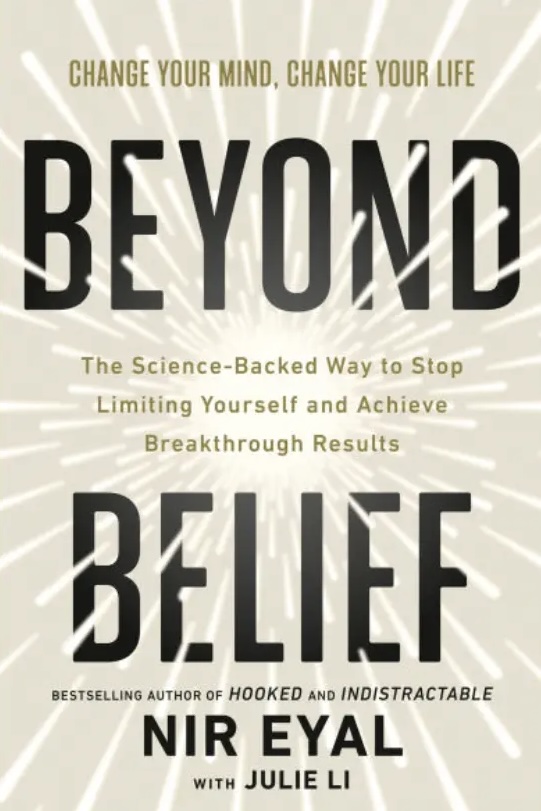
Nir Eyal’s Beyond Belief explores a fascinating question at the intersection of psychology, technology, and human behavior: why people believe what they believe—and how those beliefs shape actions, habits, and even entire communities. What makes the book compelling is not just its exploration of belief systems, but the way it reveals how subtly our environments and experiences influence the convictions we hold most strongly.
One of the most striking ideas in the book is that beliefs are rarely formed through purely rational processes. Instead, they often emerge from a mix of emotional experiences, social reinforcement, and repeated exposure to certain ideas. Eyal shows how beliefs can become self-reinforcing systems: once we accept a worldview, we begin to seek information that confirms it and filter out anything that challenges it. This insight made me reflect on how easily people—including ourselves—can become trapped in echo chambers without even realizing it.
Another powerful theme in the book is the role of communities in strengthening belief. When a belief becomes part of a shared identity, questioning it can feel like threatening one’s belonging. Eyal illustrates how rituals, language, and group dynamics create powerful emotional bonds that anchor beliefs in place. This perspective helped me understand why debates about ideology, religion, or even technology often become so emotionally charged. What is at stake is rarely just an idea—it is a sense of identity and belonging.
What I particularly appreciated about the book is that it does not treat belief as something inherently irrational or misguided. Instead, it frames belief as a deeply human mechanism—one that helps us make sense of uncertainty, connect with others, and organize our understanding of the world. At the same time, Eyal encourages readers to cultivate awareness of how beliefs form and how they can sometimes limit our openness to new perspectives.
I would strongly recommend Beyond Belief because it is both intellectually engaging and personally reflective. The book invites readers to examine their own assumptions and consider how their beliefs were shaped. In a time when public discourse often feels polarized and fragmented, Eyal’s work offers a thoughtful reminder: understanding how belief works may be the first step toward more meaningful dialogue and greater empathy, especially for Coaches and Facilitators.